

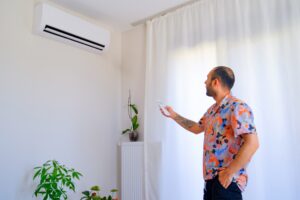
 The summer season is here, bringing bright days that can make indoor air feel heavy and stagnant. During the warm months, especially in peak heat, trapped air inside your home may aggravate sensitive respiratory systems.
Whether you own a rental property or live in one, ensuring indoor air fresh and healthy is vital for a comfortable summer season. Discover simple, effective methods to boost indoor air quality in your rental home and help everyone breathe more freely.
Why Indoor Air Quality Matters in the Summer
The warm months pose unique challenges for indoor air quality. Hot, humid weather tends to confine dust, allergens, and moisture within a residence, fostering an environment where mold and bacteria flourish, resulting in unpleasant odors and potential health issues.
For those with sensitive airways or pre-existing respiratory conditions, subpar air can lead to flare-ups and persistent issues, ranging from mild irritation to serious health risks like respiratory infections or worsened chronic conditions. Thus, focusing on indoor air quality is essential for renters and property owners. The higher the air quality in the rental home, the better tenants will rest, the healthier they’ll feel, and the more they’ll enjoy their home.
Check Your Rental Property Ventilation
Proper ventilation is the cornerstone of improving indoor air quality. Confirm that your rental home is adequately ventilated by checking that bathroom and kitchen exhaust fans function well to eliminate excess moisture and odors. As a renter, open your windows when weather allows and inspect all window screens to keep bugs out while letting fresh air to flow in.
Notify your landlord promptly about any concerns. Landlords should routinely inspect the home’s HVAC system and ensure filters are replaced every few months for clean, circulating air.
Set Your Ceiling Fan Direction for Summer
For rental properties equipped with ceiling fans, adjusting their settings seasonally is crucial. Adjusting the ceiling fan direction to summer settings enhances indoor air quality. During warm months, ensure fans spin counterclockwise to push cooler air downward, creating a breeze that helps lower the room’s temperature. This simple adjustment makes the home feel cooler and boosts the property’s air conditioning efficiency for renters.
Focus on Reducing Humidity in Your Rental
Managing humidity is critical to improving indoor air quality. Excessive humidity ranks among the top threats to indoor air quality, making spaces feel warmer and promoting mold growth.
Use a dehumidifier in areas prone to dampness, like basements or bathrooms, and run fans to keep air moving. Open windows on cooler nights to let in dry air.
Property owners should regularly inspect your rental home for leaks in windows, doors, or plumbing to prevent moisture problems.
Easy Indoor Air Quality Upgrades
Surprisingly simple, adding a few indoor plants can filter toxins and freshen up the air in your space, helping to purify the air while adding visual appeal. Choose plants that are safe for pets if pets are present.
Residents can also opt for high-quality HVAC filters or portable air purifiers to improve the smell and feel of the air in your rental home. For property owners, supporting these upgrades can protect your property and boost its value.
Ready to Help You Breathe Easier
For residents and rental homeowners, maintaining indoor air quality requires collaboration. Renters can foster a healthier living environment by promptly reporting ventilation issues or excessive humidity. Landlords can contribute by providing indoor air care guidance during move-in, implementing upgrades, and performing seasonal maintenance.
For expert assistance in managing your rental property in Golden Valley, the local team at Real Property Management Northern Arizona is ready to support you. As your trusted partner, we aim to ensure seamless rental experiences. Get in touch with us online or at 928-757-7368.
This content is provided for general informational and educational purposes only and does not constitute financial, legal, tax, or investment advice. Readers should consult with licensed professionals regarding their specific circumstances.
We are pledged to the letter and spirit of U.S. policy for the achievement of equal housing opportunity throughout the Nation. See Equal Housing Opportunity Statement for more information.
